
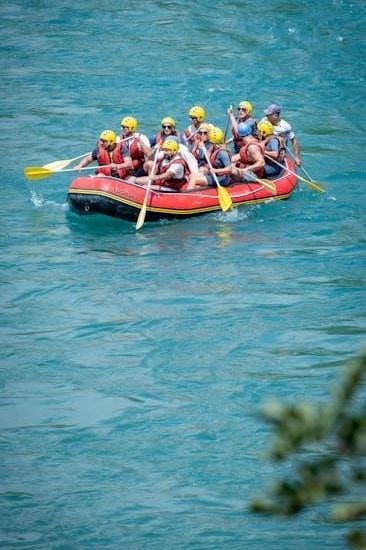
Understanding White Water Rafting Guide Tipping
Navigating gratuities for rafting guides can feel tricky; generally, passengers tip between 8 to 10 percent of the total trip cost, reflecting service quality.
The Importance of Tipping
Tipping your white water rafting guide is a significant way to acknowledge their expertise, hard work, and dedication to ensuring a safe and enjoyable experience on the river. These guides often rely on tips as a substantial portion of their income, supplementing a base wage that may be modest, especially considering the physically demanding nature of their job.
A generous tip demonstrates your appreciation for their knowledge of the river, skillful maneuvering of the raft, and commitment to your safety. It also reflects their ability to create a fun and memorable adventure. Remember, guides are often working long hours in challenging conditions, and a thoughtful tip is a tangible expression of gratitude for their service. It’s a customary practice, deeply ingrained in the rafting industry’s culture.
Factors Influencing Tip Amount
Several elements can influence your tipping decision beyond the standard percentage. The length of the trip is a key factor; longer excursions often warrant a higher tip due to the extended commitment and effort from the guide. The difficulty of the rapids also plays a role – navigating challenging waters demands greater skill and deserves recognition.
Consider the guide’s overall performance: were they knowledgeable, enthusiastic, and attentive to your needs? Exceptional service, going above and beyond to personalize the experience or handle unexpected situations, justifies a more generous tip. Group dynamics can also subtly influence your decision, but ultimately, tip based on your satisfaction with the guide’s performance and dedication.
Typical Tipping Percentages
Generally, a standard tip for white water rafting guides falls within the 8-10% range of the total trip cost, showing appreciation for their expertise.
Standard Tip Range: 8-10%
For most white water rafting experiences, a tip falling between 8% and 10% of the total trip cost is considered standard and greatly appreciated by your guide. This percentage acknowledges their efforts in ensuring a safe, enjoyable, and memorable adventure on the river. It’s a common practice, reflecting the guide’s role in navigating the rapids and providing insightful commentary about the surrounding environment.
However, remember this is a baseline; exceptional service warrants a more generous tip. Factors like the guide’s expertise, personality, and how well they catered to the group’s needs can influence your decision. Many passengers comfortably tip within this range, recognizing the physical demands and skill required of a rafting guide. Ultimately, the tip amount is at your discretion, based on your satisfaction with the overall experience.
Adjusting for Trip Length
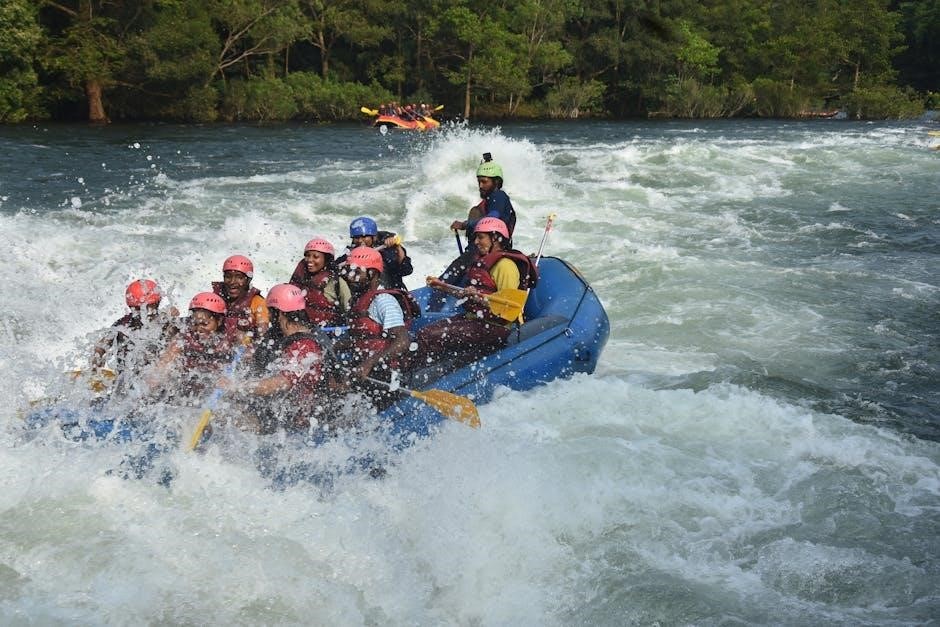
When considering a tip for your white water rafting guide, the duration of the trip significantly impacts the appropriate amount. For shorter, half-day excursions (around 2 hours), sticking to the 8-10% range of the trip cost is perfectly acceptable. However, for full-day adventures demanding greater stamina and extended attention from the guide, increasing the tip towards the higher end of that range, or even slightly above 10%, is a thoughtful gesture.
Longer trips require more sustained effort and responsibility from the guide, justifying a more substantial reward. Consider the guide’s consistent energy, safety focus, and engagement throughout the extended period on the water. Adjusting your tip based on trip length demonstrates your appreciation for their dedication.
Tipping on Multi-Day Trips
For extended white water rafting adventures spanning multiple days, the tipping structure differs slightly. Instead of calculating a percentage of the entire trip cost upfront, it’s customary to tip daily or at the conclusion of the journey. Many passengers opt to tip around $20-$50 per day, per guide, depending on the level of service received.
Guides are generally tipped out on the last night of the trip, allowing for a collective expression of gratitude from the group. Consider the guide’s consistent performance, problem-solving skills, and overall contribution to a memorable experience throughout the duration of the multi-day expedition. Pooling tips with the group is a common and appreciated practice.
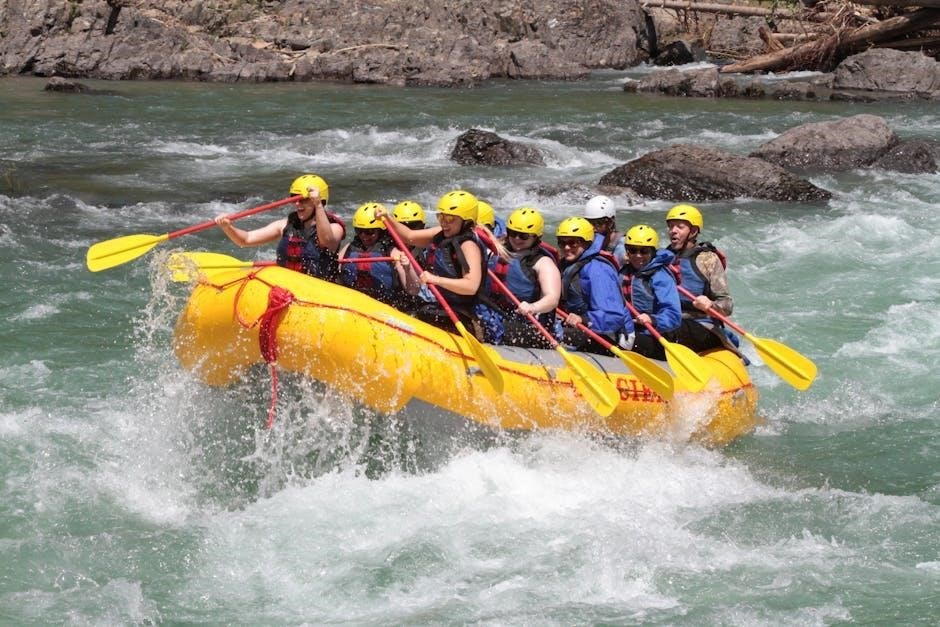
What Impacts a Guide’s Service?
A guide’s expertise, safety focus, and enthusiastic personality significantly influence the rafting experience, directly impacting perceived service quality and potential tip amounts.
Guide Expertise and Knowledge
Exceptional guides demonstrate in-depth knowledge of the river, its rapids, local flora and fauna, and the surrounding geological features, enriching the overall adventure. Their ability to confidently navigate challenging waters, explain river dynamics, and share historical or ecological insights elevates the experience beyond a simple thrill ride. A knowledgeable guide proactively addresses safety concerns, providing clear instructions and ensuring all participants understand potential risks.
Furthermore, a guide’s understanding of group dynamics and their capacity to adapt to varying skill levels are crucial. They can tailor the trip to suit the comfort and abilities of everyone involved, fostering a positive and inclusive atmosphere. This expertise translates into a safer, more enjoyable, and educational experience, often reflected in generous tipping from satisfied rafters.
Safety and Skill Demonstration
Paramount to a positive rafting experience is the guide’s unwavering commitment to safety, demonstrated through thorough pre-trip briefings, proper equipment checks, and consistent vigilance on the water. Skilled guides expertly maneuver the raft through challenging rapids, exhibiting precise paddling techniques and quick decision-making in dynamic situations. Their ability to read the river, anticipate hazards, and react effectively inspires confidence in participants.
Beyond technical skill, a guide’s calm demeanor and clear communication during potentially stressful moments are invaluable. They instill trust by proactively addressing safety concerns and ensuring everyone feels secure. Exceptional safety performance and demonstrable skill warrant a higher tip, acknowledging the guide’s dedication to protecting the group.
Personality and Enthusiasm
A truly memorable rafting trip extends beyond technical expertise; a guide’s personality and enthusiasm significantly enhance the overall experience. Guides who are genuinely passionate about the river and the surrounding environment create an infectious energy, fostering a fun and engaging atmosphere for all participants. Their ability to share interesting facts about the local flora, fauna, and history adds depth to the adventure.
Enthusiastic guides actively encourage participation, build camaraderie within the group, and tailor the experience to individual preferences. A positive attitude, coupled with a willingness to go the extra mile, leaves a lasting impression. Such exceptional interpersonal skills and infectious enthusiasm deserve recognition through a generous tip.

How to Tip Your Guide
Typically, guides receive tips on the last day of the trip; both cash and credit card options are often available for your convenience.
Cash vs. Credit Card
When considering how to deliver your tip, both cash and credit card options are frequently accepted by rafting companies, offering flexibility for guests. Cash tips are often preferred by guides as they receive the full amount immediately, without any processing fees. However, credit card tipping provides a convenient and traceable record of your gratuity;
Many companies now facilitate tipping through their payment systems, allowing you to add a percentage or specific amount to your final bill. Be aware that if tipping via credit card, a portion of the tip might be subject to processing charges, potentially reducing the amount received by the guide. Confirming the company’s tipping policy beforehand can clarify how tips are distributed and whether any fees apply. Ultimately, the method of payment is less important than expressing your appreciation for excellent service.
Tipping Etiquette ─ When to Tip
The customary practice is to tip your white water rafting guide at the conclusion of the trip, ideally on the final day for multi-day adventures. This allows you to assess the overall experience and service provided throughout. For single-day excursions, tipping immediately after disembarking demonstrates your gratitude while the experience is fresh in your mind.
Guides are often tipped out on the last night of a trip, ensuring fair distribution amongst the team. It’s perfectly acceptable to inquire about the company’s tipping procedure to understand how gratuities are handled. Don’t hesitate to express your appreciation directly to the guide, alongside the monetary tip, acknowledging their expertise and positive contribution to your adventure.
Pooling Tips with the Group
Many rafting companies facilitate a group tipping system, allowing passengers to contribute collectively to a shared fund for the guides. This simplifies the process and ensures everyone participates in showing appreciation. While individual tipping is always welcome, pooling can be particularly convenient on larger trips or when dealing with multiple guides.
If opting for a group tip, confirm the suggested amount with the company or your guide. Typically, this aligns with the standard 8-10% range of the total trip cost. Participating in a pooled tip demonstrates solidarity and acknowledges the collaborative effort of the entire guiding team, enhancing their overall experience and motivation.
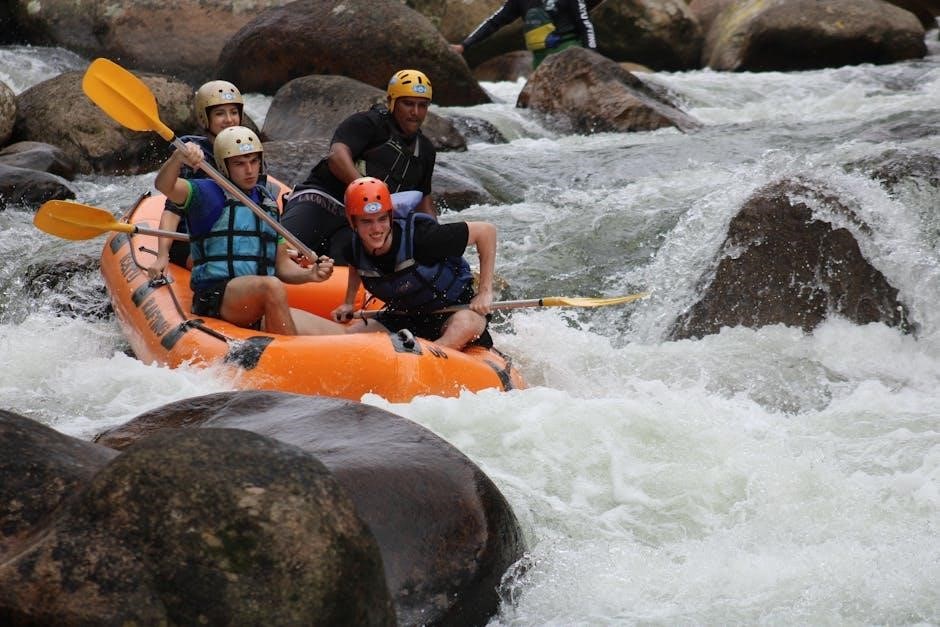
Beyond the Percentage: Exceptional Service
Guides exceeding expectations—through personalized attention or skillful handling of challenges—deserve a tip exceeding the standard 8-10%, reflecting their outstanding dedication.
Going Above and Beyond
Exceptional guides truly elevate the rafting experience, warranting a generous tip reflecting their dedication. Consider increasing your gratuity when a guide demonstrates remarkable expertise, going beyond basic safety protocols and sharing in-depth knowledge of the river and surrounding environment.
Personalized attention, such as remembering individual preferences or tailoring the trip to the group’s skill level, is another indicator of superior service. A guide who proactively anticipates needs, offers encouragement, and creates a fun, inclusive atmosphere deserves recognition.
Furthermore, if a guide skillfully navigates unexpected challenges – like rapidly changing weather conditions or assisting a nervous paddler – a higher tip is appropriate. These instances showcase professionalism and a commitment to ensuring everyone’s safety and enjoyment, justifying a reward beyond the typical 8-10% range.
Personalized Experiences
Guides who create truly memorable, personalized rafting adventures deserve extra consideration when it comes to tipping. This goes beyond simply executing a safe and enjoyable trip; it’s about tailoring the experience to the group’s specific interests and abilities.
A guide who takes the time to learn participants’ names, inquire about their prior rafting experience, and adjust the trip’s pace accordingly demonstrates exceptional care. Sharing local stories, pointing out unique wildlife, or incorporating individual requests into the itinerary adds significant value.
Such attentiveness transforms a standard rafting trip into a unique and cherished memory. When a guide actively strives to create a personalized experience, exceeding expectations, a tip exceeding the standard 8-10% range is a fitting gesture of appreciation for their efforts.
Handling Difficult Situations
Exceptional guides truly shine when faced with unexpected challenges on the river. Whether it’s navigating rapidly changing weather conditions, assisting a nervous paddler, or calmly addressing equipment malfunctions, their ability to maintain safety and composure is paramount.
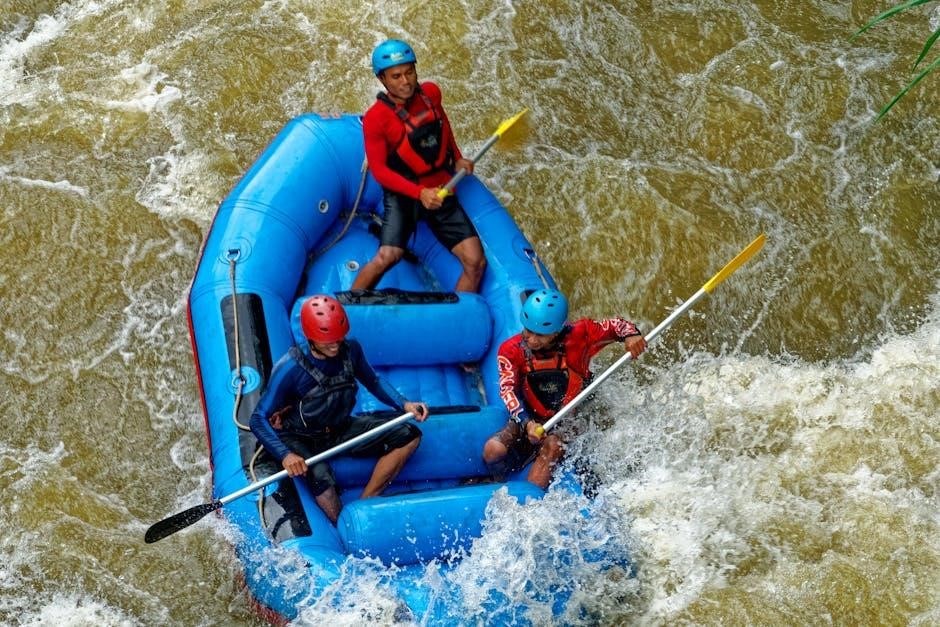
A guide who skillfully handles a difficult situation – perhaps a swimmer or a minor injury – while keeping everyone calm and informed deserves significant recognition. Their professionalism and quick thinking can prevent a potentially dangerous situation from escalating.
In such instances, a generous tip, well above the typical 8-10% guideline, is entirely appropriate. It acknowledges not only their technical skills but also their ability to remain level-headed and prioritize the well-being of the group under pressure, demonstrating true expertise.
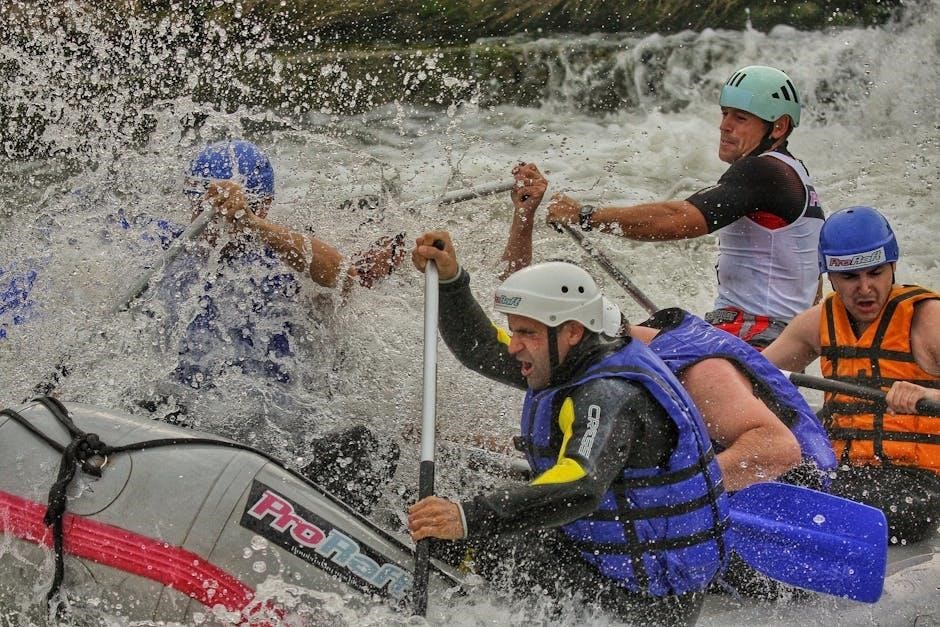
Regional Variations in Tipping
Tipping norms can shift based on location; research local customs, as expectations may differ, though 8-10% remains a solid starting point generally.
Tipping Norms in Different Locations
While a standard 8-10% tip generally applies across many white water rafting destinations, regional variations do exist. In areas where tourism is a primary economic driver, and guides rely heavily on tips for income, leaning towards the higher end of that range—or even slightly above—is often appreciated. Conversely, in locations with a higher overall cost of living, or where guides receive a more substantial base salary, a tip within the 8% range might be considered appropriate.
It’s always wise to discreetly inquire with local outfitters or fellow travelers about prevailing tipping customs. Observing how others tip can provide valuable insight. Remember that exceptional service warrants a more generous reward, regardless of location. Ultimately, tipping is a reflection of your satisfaction and gratitude for a memorable experience, so adjust accordingly based on your personal assessment and the local context.
Considering Local Customs
Beyond general percentages, understanding local customs significantly impacts appropriate tipping. In some regions, tipping is deeply ingrained in the culture and expected as a substantial part of a guide’s income. Conversely, in other areas, tipping might be less common or viewed as a bonus for truly exceptional service. Researching the specific norms of the destination is crucial.
For instance, areas heavily reliant on tourism often have established expectations. Guides may depend on tips to supplement lower base wages. Observing local practices—how others tip—can offer valuable clues. When in doubt, erring on the side of generosity is generally appreciated. Remember, a thoughtful tip demonstrates respect for the guide’s expertise and contribution to your adventure, aligning with local etiquette.
Alternatives to Monetary Tips
Positive online reviews and direct, heartfelt gratitude are valuable alternatives to cash tips, acknowledging excellent service and boosting a guide’s reputation.
Positive Reviews and Feedback
Beyond a monetary tip, sharing your experience through positive reviews significantly impacts a guide’s career and the rafting company’s success. Detailed feedback on platforms like TripAdvisor or Google highlights exceptional service, expertise, and safety measures.
Specifically mention the guide’s name and what made the trip memorable – their knowledge of the river, ability to create a fun atmosphere, or skillful navigation of challenging rapids. Constructive feedback, even regarding minor improvements, is also appreciated.
These reviews serve as valuable social proof for future adventurers and demonstrate your gratitude in a lasting way, often exceeding the value of a simple cash tip. A thoughtful, well-written review is a powerful gesture!
Expressing Gratitude Directly
A sincere “thank you” delivered directly to your guide holds immense value, often resonating more deeply than any financial reward. Acknowledging their efforts and expressing genuine appreciation for their expertise and enthusiasm creates a positive connection.
Take a moment after the trip, or even during a calmer stretch of the river, to verbally commend their skills, knowledge of the local environment, or ability to ensure everyone’s safety and enjoyment.
Personalized gratitude, highlighting specific aspects of their service that you appreciated, demonstrates thoughtfulness and respect. This direct expression of thanks complements any monetary tip and leaves a lasting positive impression.
Small Gifts (Considerations)
While monetary tips are standard, small, thoughtful gifts can supplement your gratitude, but require careful consideration. Guides often receive numerous gifts, so practicality is key; avoid items they likely already possess or cannot easily transport.
Locally sourced treats, like regional snacks or beverages, are often appreciated. A high-quality, reusable water bottle or a small, useful tool related to outdoor activities could also be suitable.
However, always prioritize a cash tip, as it allows the guide to use the funds as they see fit. A gift should be a gesture of appreciation in addition to, not instead of, a proper monetary gratuity.