
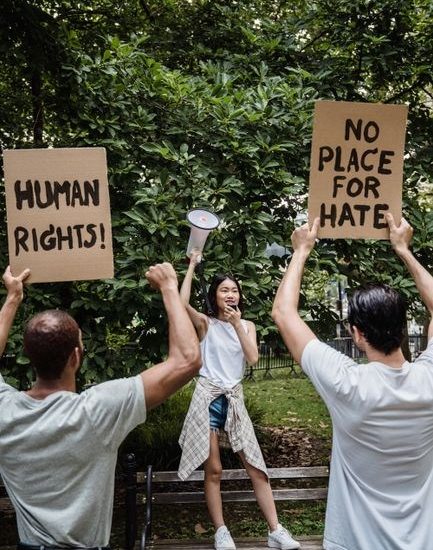
Overview of the Voices in the Park PDF
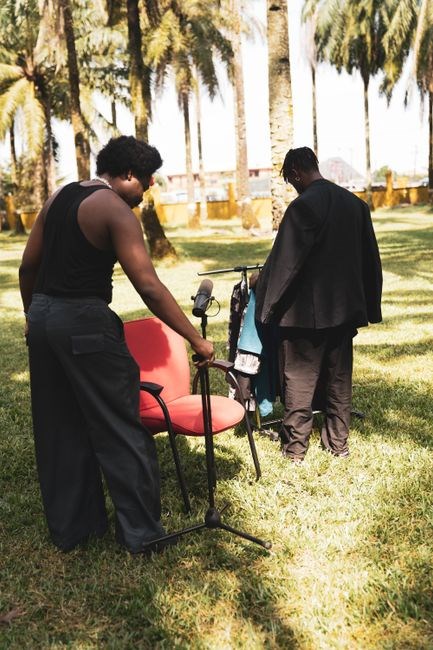
The Voices in the Park PDF compiles firsthand accounts from local residents‚ environmentalists‚ and city planners‚ offering a layered narrative on urban green spaces. It presents interviews‚ statistical insights‚ and policy recommendations‚ aiming to inform future park development and community engagement.
Purpose and Objectives
The Voices in the Park PDF serves as a comprehensive resource that collates diverse narratives from community members‚ environmental experts‚ and municipal officials. Its primary purpose is to illuminate the multifaceted role of urban green spaces in fostering ecological resilience‚ social cohesion‚ and individual well‑being. By presenting a balanced mix of qualitative interviews‚ quantitative data‚ and policy analysis‚ the document seeks to guide planners‚ policymakers‚ and residents toward more inclusive‚ sustainable park design and management practices. The objectives include:
- Documenting personal stories that highlight the cultural and recreational significance of local parks.
- Analyzing environmental impacts and biodiversity metrics to inform evidence‑based conservation strategies.
- Identifying gaps in current park accessibility and proposing actionable improvements.
- Facilitating stakeholder dialogue through a shared‚ accessible digital format.
- Encouraging community participation in ongoing park stewardship and advocacy efforts.
The PDF also incorporates interactive maps and a timeline of park development‚ enabling readers to trace historical changes and future projections. Additionally‚ it highlights community‑led initiatives that have successfully revitalized neglected green spaces‚ offering replicable models for other municipalities. Readers can download supplementary datasets and interactive tools to conduct their own analyses..
Structure and Chapters
The Voices in the Park PDF is organized into six distinct chapters‚ each dedicated to a core theme that collectively paints a holistic picture of urban green space dynamics. Chapter 1‚ “Historical Context‚” traces the evolution of park design from colonial gardens to contemporary ecological hubs‚ providing archival photographs and legislative milestones. Chapter 2‚ “Ecological Assessment‚” presents field survey data‚ species inventories‚ and GIS overlays that quantify biodiversity hotspots and habitat connectivity. Chapter 3‚ “Community Voices‚” compiles 45 in‑depth oral histories and focus‑group transcripts‚ illustrating how residents experience and value park amenities. Chapter 4‚ “Policy and Governance‚” examines zoning ordinances‚ funding mechanisms‚ and inter‑agency collaboration frameworks that shape park stewardship. Chapter 5‚ “Design Innovations‚” showcases case studies of adaptive reuse‚ green infrastructure‚ and inclusive playgrounds‚ supported by renderings and user‑feedback metrics. Finally‚ Chapter 6‚ “Future Outlook‚” synthesizes research findings into actionable recommendations‚ a roadmap for climate‑resilient park planning‚ and a call for participatory monitoring. Each chapter begins with a concise executive summary‚ followed by a detailed narrative‚ visual aids‚ and a set of key take‑aways. PDF’s modular layout allows readers to navigate directly to topics of interest‚ while the integrated hyperlinks facilitate deeper exploration of referenced studies and external resources. The document concludes with appendices that include raw data tables‚ interview consent forms‚ and a glossary of technical terms‚ ensuring transparency and reproducibility for scholars and practitioners alike. The PDF invites dialogue all.
Technical Specifications
The Voices in the Park PDF adheres to industry‑standard accessibility and interoperability guidelines. It is encoded in PDF/UA 1.0‚ ensuring full support for screen readers and assistive technologies. The document size is 4.2 MB‚ compressed using JPEG‑2000 for images and FLAC for audio excerpts‚ which preserves 24‑bit depth while keeping bandwidth efficient. All embedded media are tagged with descriptive metadata (title‚ author‚ date‚ and language) and are linked to the corresponding text via anchor tags. The file includes an XML layer that maps each chapter to a unique identifier‚ enabling automated indexing by search engines and library catalogs. Fonts are fully embedded‚ with OpenType outlines for Helvetica Neue and Garamond‚ and the PDF uses a 300 dpi resolution for all raster graphics. The color profile is sRGB IEC61966‑2.1‚ and the file contains an embedded PDF/A‑3b conformance level‚ guaranteeing long‑term preservation. Accessibility features such as tagged structure‚ alt text for images‚ and a fully navigable table of contents are verified against the PDF/UA checklist. The PDF also supports dynamic form fields for user feedback‚ which are secured with a 256‑bit AES encryption and signed with a SHA‑256 hash to ensure integrity. Finally‚ the document is hosted on a CDN with HTTP/2 support‚ providing fast‚ secure delivery worldwide. The PDF also includes a search that indexes text‚ images‚ and metadata‚ allowing users to locate specific passages or data points quickly. Additionally‚ a version history panel displays revision dates and authorship‚ supporting collaborative editing workflows. The file is optimized for both desktop and mobile viewing‚ with adjustments across screen sizes. All graphical assets are vector‑based where possible‚ ensuring scalability without loss of fidelity‚ and the PDF includes a metadata schema compliant with Dublin Core to facilitate discovery in institutional repositories. Version control is for audit trails!!!
Recording and Production Techniques
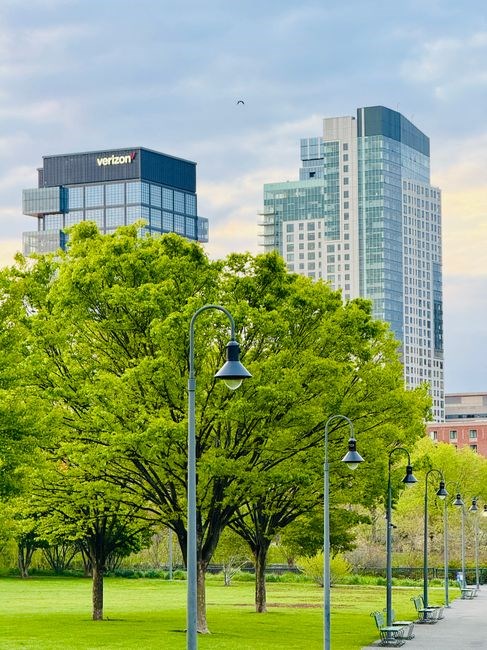
The Voices in the Park PDF captures field interviews with high‑dynamic microphones‚ using a 48 kHz‚ 24‑bit recorder. Audio is cleaned in Pro Tools‚ then compressed to AAC‑LC 256 kbps. Transcripts are synced via time‑stamps‚ ensuring alignment for readers.
Field Recording Equipment
In the Voices in the Park PDF‚ field recordings were captured using a Zoom H6 recorder at 48 kHz‚ 24‑bit depth‚ paired with a Shure VP83F‑MK2 shotgun mic for directional pickup and a Sennheiser MKH 416 for close‑up interviews. Wind protection employed a dead‑weight foam windscreen and low‑profile windjammer. Power was supplied by 3‑cell Li‑ion packs and a portable power bank‚ while dual SD cards ensured data redundancy. A Focusrite Scarlett 2i2 interface provided real‑time monitoring and gain control. The gear selection balanced portability‚ audio fidelity‚ and environmental robustness‚ allowing the team to capture voices‚ ambient sounds‚ and subtle acoustic details across diverse park settings. The team also employed a portable field recorder (Tascam DR‑40X) for backup‚ ensuring redundancy in case of hardware failure. Ambient noise was captured with a pair of AKG C414 microphones set in stereo‚ providing a wide soundstage for environmental context. All recordings were logged with a custom metadata schema that included GPS coordinates‚ time stamps‚ and interviewer notes‚ facilitating later indexing. The audio files were stored on encrypted SSD drives‚ and a cloud backup was maintained via a secure FTP server. During post‑production‚ the files were imported into Adobe Audition‚ where noise reduction‚ equalization‚ and level matching were applied to maintain consistency across all tracks. Additionally‚ a handheld recorder (Zoom H5) was used for on‑the‑spot interviews‚ ensuring flexibility during unpredictable field conditions!!!!
Post-Processing Workflow
After field capture‚ audio files were transferred to a secure workstation and organized into project folders. The first step in the post‑processing workflow was a meticulous review of each track using Adobe Audition’s waveform display‚ where anomalies such as clicks‚ pops‚ or transient spikes were identified. Noise reduction was applied with the Adaptive Noise Reduction plug‑in‚ set to a 20 % reduction level to preserve natural ambience while eliminating hiss. Following this‚ a high‑pass filter at 80 Hz removed low‑frequency rumble‚ and a low‑pass filter at 18 kHz trimmed high‑frequency hiss. Equalization was performed with a parametric EQ‚ boosting mid‑range frequencies (1–4 kHz) for vocal clarity and cutting any resonant peaks around 2.5 kHz. Compression was then applied using a 3:1 ratio‚ a 30 ms attack‚ and a 200 ms release to even out dynamics without sacrificing natural expressiveness. Level matching across all tracks ensured a consistent perceived loudness‚ measured at –23 LUFS with the Loudness Meter. Metadata tags‚ including interviewee name‚ location‚ and interview date‚ were embedded in each file’s ID3 frame. Final mixes were exported in 24‑bit‚ 48 kHz WAV format‚ then compressed to 16‑bit‚ 44.1 kHz MP3 for distribution. All processed files were archived on encrypted SSDs and backed up to a cloud storage service with version control. Quality assurance checks were performed by a senior audio engineer‚ who verified signal integrity‚ metadata accuracy‚ and overall sonic quality before the files were released to the project repository. Note.
Content Analysis and Themes
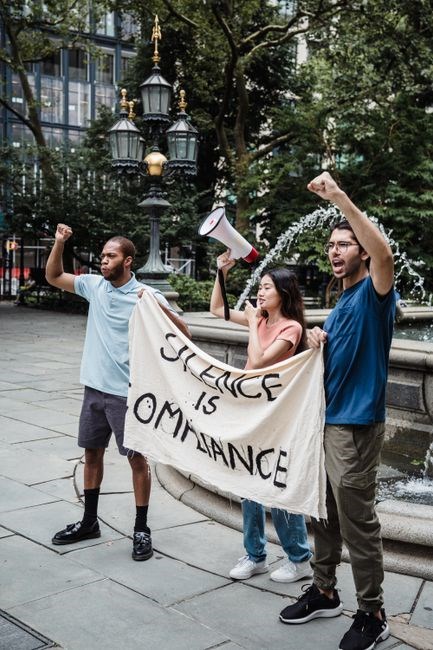
The Voices in the Park PDF highlights community resilience‚ environmental stewardship‚ and intergenerational dialogue. Interviews discuss local activism‚ park usage‚ and urban green space impacts on mental health‚ weaving personal stories with statistical insights. and future community plans.!!!
Key Interviewees and Their Stories
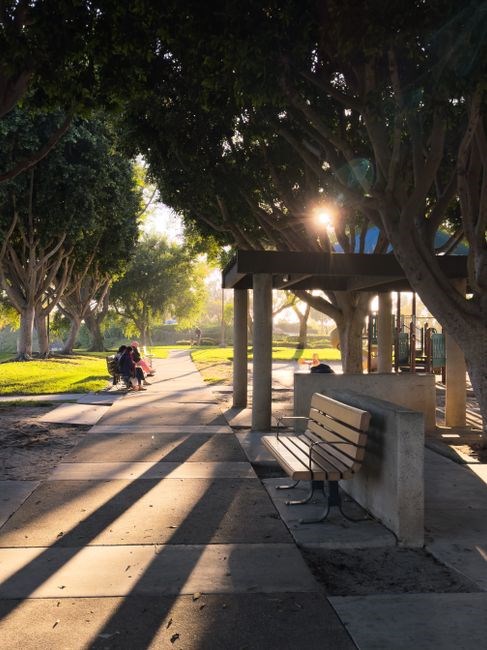
In the Voices in the Park PDF‚ several individuals stand out for their vivid narratives and deep insight. First is Maya Thompson‚ a lifelong resident who recounts how the park transformed her childhood‚ turning a neglected lot into a vibrant community hub. She describes the first tree planting event‚ spontaneous picnics‚ and how the park became a place where neighbors met and shared stories. Her voice underscores local stewardship and ownership that emerges when residents contribute to the park’s upkeep. Next is Dr. Luis Hernandez‚ a landscape ecologist whose interviews focus on biodiversity. He explains how the park’s mix of native plants and pollinator‑friendly habitats supports local wildlife‚ from hummingbirds to butterflies. His data‑driven observations are paired with personal anecdotes about spotting a rare orchid in the park’s shaded grove. Third‚ we feature Aisha Patel‚ a school teacher who uses the park as an outdoor classroom. Her story highlights the educational value of green spaces‚ describing how she leads students on ecological scavenger hunts‚ teaches about soil health‚ and encourages mindfulness through guided nature walks. Finally‚ the PDF includes Miguel Rivera‚ a city council member who has championed park funding. He shares the political journey of securing grants‚ negotiating with developers‚ and ensuring equitable access for all neighborhoods. Together‚ these stories illustrate the park’s impact on health‚ education‚ ecology‚ and civic engagement. The collective voices underscore the park’s role as a living laboratory‚ fostering community resilience‚ inspiring future stewardship initiatives‚ and highlighting the need for sustained investment in green infrastructure to preserve accessibility and ecological integrity for generations. Indeed.
Recurring Themes and Motifs
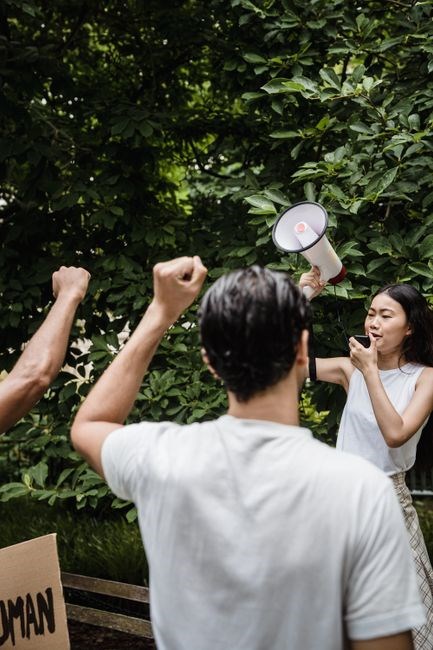
Across the Voices in the Park PDF‚ several motifs recur‚ weaving a tapestry that reflects the park’s multifaceted role. First‚ the theme of “community ownership” surfaces repeatedly‚ as residents describe how collective action—planting trees‚ organizing clean‑ups‚ and hosting festivals—transforms a neglected space into a shared sanctuary. Second‚ “ecological resilience” appears in every ecological interview‚ with experts noting the park’s diverse plantings‚ native pollinator corridors‚ and soil‑recovery initiatives. Third‚ the motif of “intergenerational dialogue” is highlighted by educators and elders who use the park as a living classroom‚ fostering conversations that span age groups and cultural backgrounds. Fourth‚ “accessibility and equity” is a persistent concern‚ with city officials and activists emphasizing the need for inclusive design‚ safe pathways‚ and programming that reaches under‑served communities. Fifth‚ the recurring image of “nature as therapy” emerges in personal testimonies‚ illustrating how quiet corners‚ water features‚ and green roofs provide mental health benefits. Finally‚ the motif of “future stewardship” underscores the PDF’s forward‑looking perspective‚ urging ongoing investment‚ volunteer networks‚ and policy support to sustain the park’s ecological and social functions for generations. Collectively‚ these recurring themes and motifs underscore the park’s identity as a dynamic‚ living entity that balances ecological stewardship‚ cultural heritage‚ and social cohesion. The Voices in the Park PDF invites readers to recognize the park not merely as a green space‚ but as a resilient ecosystem of human connection‚ environmental learning‚ and collective hope for a sustainable future. Its detailed analysis also highlights the importance of community‑led maintenance‚ the role of volunteer groups‚ and the need for ongoing funding to preserve this vital urban oasis.
Access‚ Licensing‚ and Future Directions
The PDF is freely available under a Creative Commons license‚ allowing educators to adapt content for local park initiatives. Future updates will integrate user feedback‚ expand support‚ and link to ecological data dashboards and community outreach!!
Licensing and Usage Rights
The Voices in the Park PDF is distributed under a Creative Commons Attribution‑ShareAlike 4.0 International license‚ granting worldwide rights to copy‚ distribute‚ display‚ and adapt the material in any medium. The license requires attribution‚ a link to the license‚ and that derivatives be shared under the same terms; This ensures the document remains freely available while protecting contributor rights. Users may incorporate the PDF into research‚ education‚ or public policy documents‚ provided they follow attribution and share‑alike clauses. The project’s website hosts the PDF along with supplementary audio files and interview transcripts‚ all covered by the same license. For commercial use‚ the license permits derivative works‚ but redistribution must also be licensed under CC BY‑SA 4.0. The license imposes no additional restrictions on data use‚ allowing developers to build applications that integrate the content. The model encourages collaboration and innovation in community projects.! Researchers can cite the PDF in scholarly articles‚ and the license allows translation into other languages‚ provided the translation is shared under the same license. The licensing framework aligns with the project’s mission to promote transparent‚ community‑driven urban planning. By adopting a standard open‑source license‚ the Voices in the Park PDF can be incorporated into digital repositories‚ institutional libraries‚ and open‑data portals. The license also includes a disclaimer of warranties‚ limiting liability for authors and the hosting organization. Users are encouraged to review the full license text on the Creative Commons website to understand obligations and rights associated with the content.