
Welcome to the 2013 Ford Escape User Manual. This guide provides essential information for owners, covering vehicle features, safety, and basic operation. It explains how to use the Escape’s controls, maintain its systems, and ensures a safe, enjoyable driving experience. Keep this manual handy for reference.
Purpose and Scope of the Manual
The 2013 Ford Escape User Manual is a comprehensive guide for owners, drivers, and technicians. It explains how to operate, maintain, and troubleshoot the Escape, covering every aspect of the vehicle from basic controls to infotainment. The manual’s purpose is to provide clear, concise, and accurate information that supports safe and efficient use of the Escape. Its scope includes detailed descriptions of the dashboard layout, interior controls, engine operation, transmission settings, and driving modes. It also explains the use of safety systems such as airbags, seat‑belt pretensioners, electronic stability control, and traction control. Additionally, the manual covers audio and navigation systems, connectivity options, and climate control features. For maintenance, it outlines routine tasks like oil changes, fluid checks, tire rotations, and brake inspections, as well as troubleshooting tips for common issues. The manual is organized into easy‑to‑navigate sections with clear headings, diagrams, and instructions. By following these guidelines, owners can maximize performance, reliability, longevity while ensuring compliance with safety regulations and warranty requirements. The manual is intended for anyone who operates or maintains the vehicle, including professional mechanics and service technicians. It also serves as a valuable resource for new owners who want to become familiar with the Escape’s features and capabilities from the moment they first sit in the driver’s seat. Users are encouraged to consult the most recent version for any changes or additional guidance. The manual helps owners make informed decisions about vehicle care, ensuring the Escape remains reliable enjoyable!

Safety Information
Before driving, review seat‑belt use, child restraints, and airbags. Keep windows clear, avoid distractions, and obey speed limits. Check tire pressure, fluid levels, and brake function. Follow all warnings and use proper lighting at night. Keep mirrors adjusted.Check blind spots.Ok
Seat Belt and Safety Features
Proper use of seat belts is essential for every passenger. The 2013 Ford Escape is equipped with three‑point seat belts on all seats, automatically retracting to maintain a snug fit. The driver’s belt has an integrated buckle that locks when the seat is occupied, and the passenger side belt has a child‑resistance feature to prevent accidental release. Rear belts are adjustable and have a quick‑release latch for easy access. Proper belt use distributes impact forces across the pelvis and chest, reducing injury risk. The Escape also offers passive safety systems: dual‑stage airbags protect the driver and front passenger, side‑impact airbags deploy from the door panels, and a stability control system monitors steering, throttle, and brake inputs to maintain traction. Anti‑lock braking (ABS) prevents wheel lockup during hard stops, and supplemental restraint system (SRS) sensors adjust airbag deployment based on occupant weight. Additional safety features include a rear‑view camera, automatic high‑beam control, fog lights, adaptive headlights, and a tire‑pressure monitoring system that alerts the driver when pressure falls below the recommended level. Children under 13 should use a forward‑facing seat with a seat belt or a child safety seat that meets FMVSS 213 standards; infants should use a rear‑facing seat. Seat belt pretensioners automatically tighten the belt during a collision, reducing slack and increasing protection. Always fasten seat belts before the vehicle moves, keep all safety systems operational, and follow the manufacturer’s guidelines for optimal safety. Remember to check the seat belt warning light on the dashboard it illuminates if a belt is not fastened belts for fraying or damage, replace them if necessary to maintain safety. Check light

Vehicle Controls Overview
The 2013 Ford Escape features an control layout. The steering wheel houses the cruise control, audio, and climate controls. The center console hosts the gear selector, infotainment screen, and power window switches. All controls are ergonomically positioned for easy access .
Dashboard Layout and Interior Controls
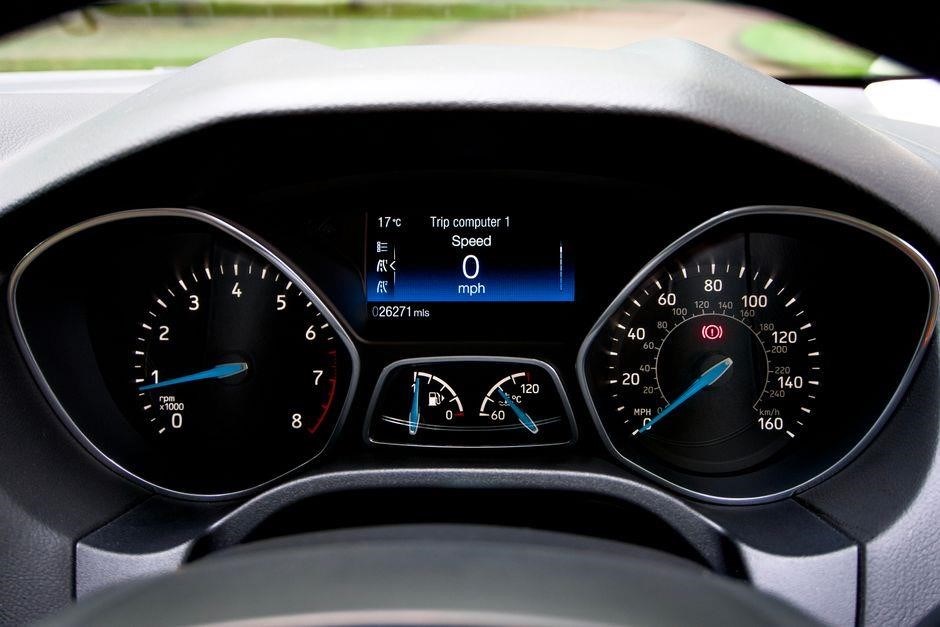
The 2013 Ford Escape’s dashboard prioritizes clarity and ease of use. A central instrument cluster displays speed, fuel level, and navigation prompts on a 7‑inch screen. The multifunction steering wheel offers cruise, audio, and climate controls, with integrated buttons for radio, volume, and hands‑free phone. The gear selector sits on the left, labeled P‑R‑N‑D‑S. The center console houses power window switches, a climate control panel, and a 7‑inch infotainment touchscreen providing audio, navigation, Bluetooth, and vehicle settings. The rearview mirror is adjustable with a built‑in dimming function. Indicator lights for engine status, seat belts, and safety systems are present.
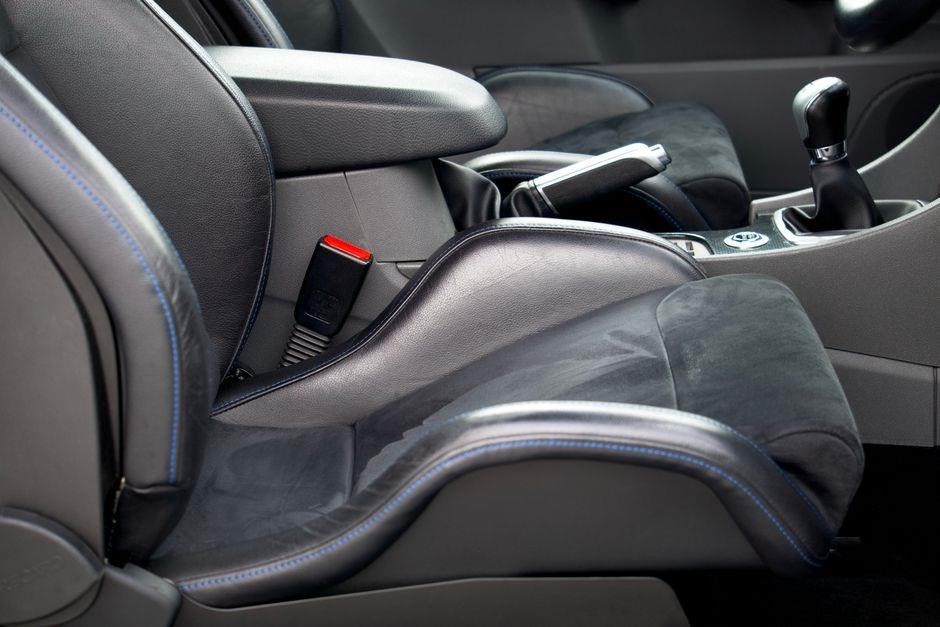
Inside the cabin, seats are upholstered in premium cloth or leather, depending on trim. Each front seat offers power adjustments with a lever on the side of the seat frame, allowing height, tilt, and lumbar support to be set. The rear seats fold flat to expand cargo space, and the rear seatback can be reclined for passenger comfort. The dashboard includes a small storage compartment beneath the steering wheel for documents and a cup holder. The instrument cluster’s digital readouts are backlit for nighttime visibility, and the dash lighting can be customized through the vehicle settings menu. The cabin also features a quiet interior with sound‑deadening materials, and the adjust steering column allows drivers to find the optimal driving position. All controls are positioned for ergonomic access.

Operating the Vehicle
The 2013 Ford Escape operates with a 2.5‑L engine, 6‑speed manual. Start by inserting the key, pressing brake, selecting gear, and releasing the clutch or accelerator. Use the steering wheel controls for cruise, audio, and climate. Follow road signs and maintain safe speed.
Starting Engine and Driving Modes
To start the 2013 Ford Escape, insert the key into the ignition, press the brake pedal, and turn the key to the ON position. The engine will crumple and then start automatically. If the engine does not start, check the battery, ensure the shift lever is in PARK, and try again.
The Escape offers multiple driving modes to suit your preferences. Select the desired mode by pressing the mode button on the center console. The available modes include:
- Eco: Optimizes fuel economy by moderating throttle response and climate control.
- Comfort: Provides a smooth ride with standard throttle response.
- Sport: Enhances throttle response and adjusts suspension for a more dynamic feel.
- Snow: Adjusts traction control and engine torque for slippery conditions.
After selecting a mode, the dashboard will display the corresponding icon. You can switch modes while driving, but be aware that some modes may alter the vehicle’s handling characteristics. Always return to Comfort or Eco for normal daily driving.
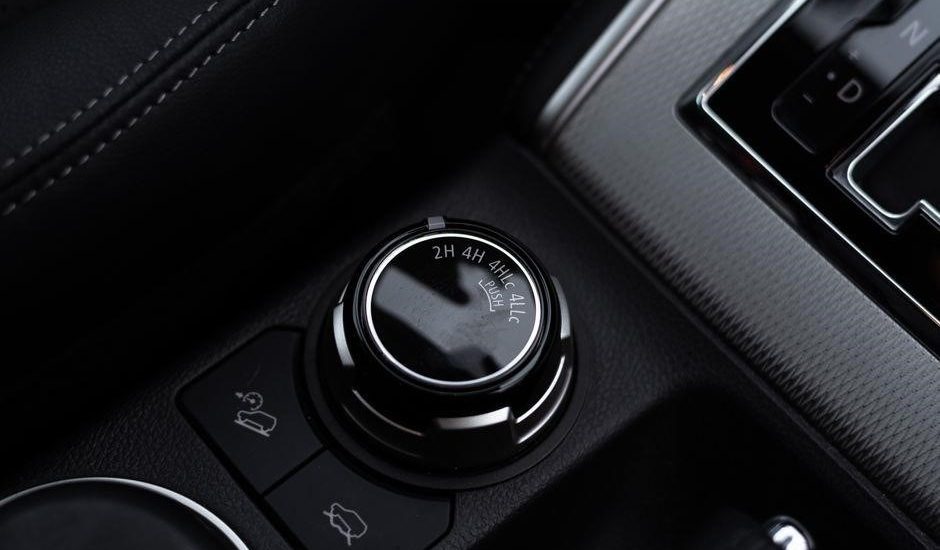
When operating the Escape, always observe speed limits and traffic laws. The vehicle’s adaptive suspension can be engaged by pressing the SUSP button on the dash, providing a firmer ride for high‑speed stability. For off‑road adventures, shift into 4WD mode by toggling the 4WD switch on the center console. Remember to check tire pressure regularly and keep the fuel tank at least half full to maintain optimal performance. Enjoy Drive safely.!!!
Infotainment and Connectivity
The 2013 Ford Escape features a user‑friendly infotainment system with a 7‑inch touchscreen, Bluetooth, USB, auxiliary inputs. Pair your phone via Bluetooth for hands‑free calls and streaming. The navigation system updates maps online, and the voice‑control interface allows safe operation while driving !
The 2013 Ford Escape’s audio system offers a rich listening experience with a 6‑speaker setup, 200‑W power amplifier, and a 7‑inch touchscreen display. The system supports Bluetooth connectivity, allowing hands‑free calling and audio streaming from smartphones. Users can also connect via USB, auxiliary input, or FM radio. The touchscreen interface includes intuitive icons for music, navigation, and phone functions, and a voice‑control feature lets drivers issue commands without taking their hands off the wheel. The navigation system is integrated into the same display, providing real‑time traffic updates, turn‑by‑turn directions, and points of interest. Users can download map updates through the vehicle’s Wi‑Fi connection or via a USB drive. The system’s audio tuning can be adjusted through the settings menu, enabling bass, treble, and balance controls. For added convenience, the Escape offers a rear‑seat entertainment option with a 5‑inch display that can be mounted on the back of the front seats. The system also supports multiple audio sources, including CD, MP3, and streaming services accessed through the vehicle’s built‑in Wi‑Fi hotspot. The audio and navigation interfaces are designed to minimize driver distraction, with large, clearly labeled buttons and a responsive touchscreen. The Escape’s infotainment system is compatible with both Android Auto and Apple CarPlay, allowing seamless integration of mobile apps for music, messaging, and navigation. Firmware can be updated via the diagnostic port, ensuring users have features. Enjoy!

Maintenance and Care
Regular maintenance keeps your 2013 Escape running smoothly. Check oil every 5,000 miles, replace air filter annually, inspect tires for wear, and keep fluid levels topped. Follow the service schedule in this manual for best performance and longevity.Check tire pressure regularly.!
Oil Change and Fluid Checks

Performing regular oil changes and fluid checks is essential for the longevity and performance of your 2013 Ford Escape. Follow the recommended intervals listed in the Owner’s Manual: engine oil every 5,000 miles or 6 months, whichever comes first. Use the manufacturer‑specified oil grade (typically 5W‑20 for most engines).
Before starting the engine, allow it to warm up for a few minutes, then turn it off and let it sit for 10–15 minutes to allow the oil to settle.
When the vehicle is on a level surface, lift the front of the Escape using a jack and secure it with jack stands. Locate the oil drain plug beneath the engine block, place a drain pan beneath it, and remove the plug. Allow the oil to drain completely, then replace the plug and tighten it to the specified torque.
Next, remove the oil filter using an oil filter wrench. Dispose of the old filter properly and apply a small amount of fresh oil to the rubber gasket of the new filter. Install the filter by hand, then tighten it according to the manufacturer’s instructions.
Refill the engine with the recommended oil quantity, checking the dipstick for proper level. Inspect the oil for color and consistency; it should be clear amber. If the oil appears dirty or contains particles, consider a filter change or a more thorough inspection.
After the oil change, check other critical fluids: coolant, brake, power steering and washer fluid. Top each to the “MAX” line. Inspect lines for leaks. Log service date and mileage for warranty and resale.
Warranty and Service Information
The 2013 Ford Escape comes with a limited warranty covering parts and labor for 3 years/36,000 miles, and a powertrain warranty for 5 years/60,000 miles. Regular service at authorized dealers ensures coverage. Keep records of all maintenance. All records needed. ASAP.

Warranty Coverage and Service Schedule
For the 2013 Ford Escape, the manufacturer offers a limited warranty covering vehicle components for 3 years/36,000 miles, and a powertrain warranty for 5 years/60,000 miles. This protects against defects in materials or workmanship. The warranty also includes a 5‑year/60,000‑mile bumper‑to‑bumper coverage. Owners should keep service records and receipts, as they are essential for warranty claims. Service schedules, outlined in the owner’s manual, cover maintenance such as oil changes, filter replacements, and fluid checks. Following the recommended schedule keeps the vehicle in good condition and helps maintain warranty coverage. For details on parts, service intervals, and locating authorized service centers, consult the warranty booklet or visit the official Ford website. If you experience any warranty‑related issues, contact your local Ford dealer promptly to schedule a service appointment. The dealer will verify warranty status and perform necessary repairs or replacements per Ford’s guidelines. By adhering to the service schedule and using authorized centers, owners can ensure the longevity and reliability of their Escape while benefiting from the manufacturer’s warranty protections. Ok!
Ford offers extended warranty plans for extra coverage beyond the standard terms. These can be purchased at sale or later, giving owners peace of mind. The 2013 Escape may have safety recalls; owners should check the recall database or dealer notifications to ensure any required actions are completed promptly. Keeping a detailed service log aids warranty claims and boosts resale value. Enjoy!Ok