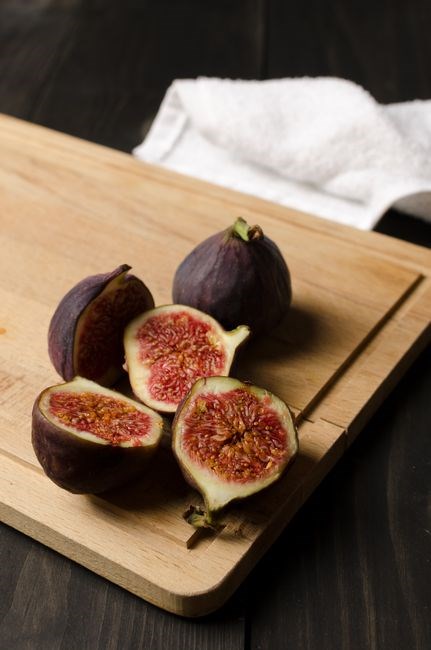
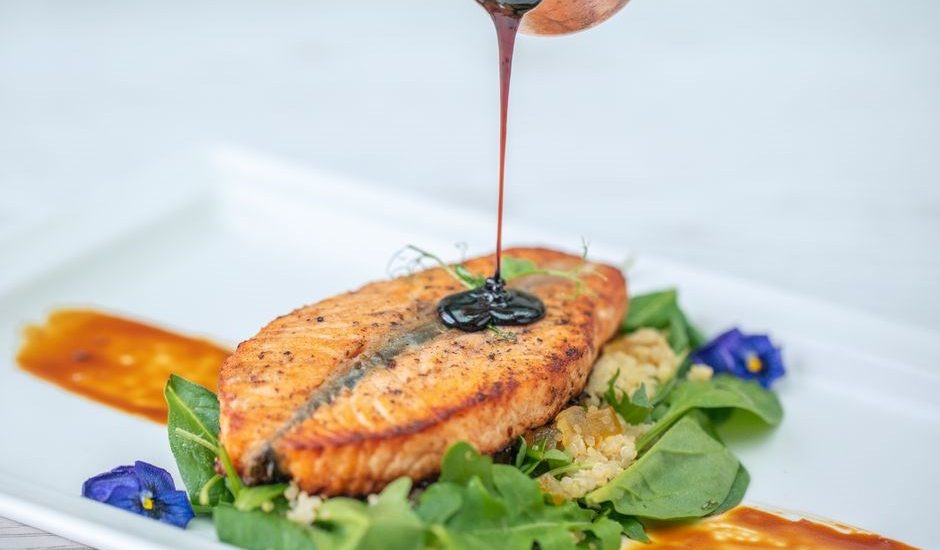
Discover a vibrant fusion of savory pork and sweet balsamic fig sauce, crafted with sustainable ingredients and mindful techniques. This dish balances rich flavor, tender texture, and eco-conscious sourcing for a wholesome, guilt‑free experience. Enjoy this sustainable masterpiece. Sweetly.!!!?
What Makes This Dish Special
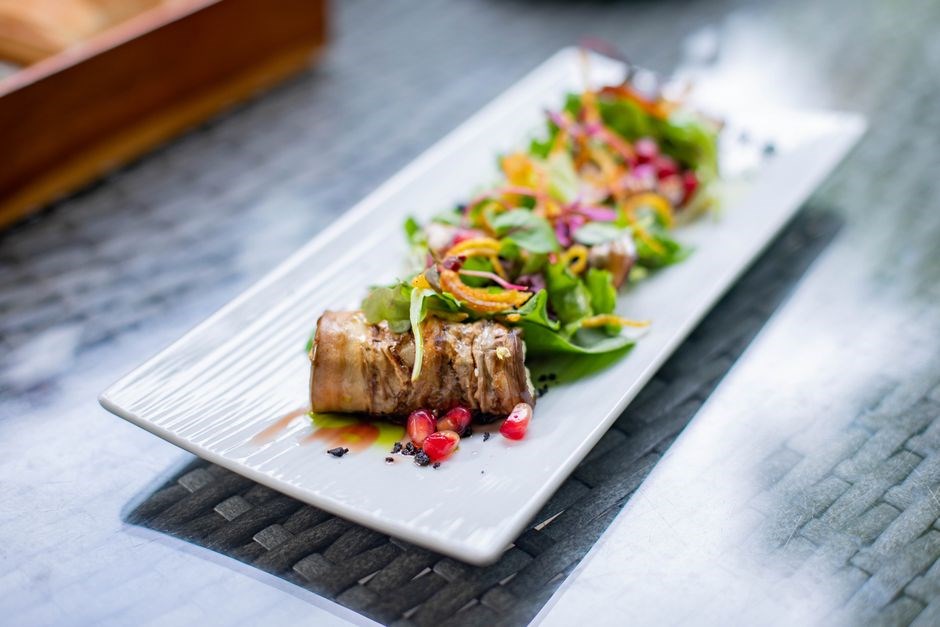
Green Chef’s pork with balsamic fig sauce stands out through a trio of deliberate choices: a lean pork roast that delivers a naturally sweet, juicy bite; a sauce that marries deep sweetness of dried figs with sharp, tangy depth of aged balsamic vinegar, creating a layered flavor profile that dances on the palate; and a commitment to sustainability that permeates every step—from locally grown, organic produce to biodegradable packaging. The recipe’s technique is thoughtful: the pork is first seared to lock in moisture, then slow‑cooked until tender, allowing natural collagen to break down into silky, melt‑in‑your‑mouth texture. Meanwhile, the figs are gently simmered with a splash of red wine, a hint of rosemary, and a touch of honey, coaxing out natural sugars and creating a glossy caramel‑like glaze. When the two components converge, the result is a harmonious balance of savory, sweet, and umami notes that elevate the dish beyond ordinary comfort food. Moreover, the dish’s visual appeal—rich mahogany pork paired with a glossy ruby‑red sauce—makes it a centerpiece that invites conversation and admiration. Finally, the recipe’s flexibility allows for creative variations, adding a sprinkle of toasted almonds or a drizzle of citrus‑infused oil, ensuring each serving can be personalized while staying true to mindful, flavorful cooking. With a subtle hint of smoked paprika for depth.!!!
Ingredient Overview
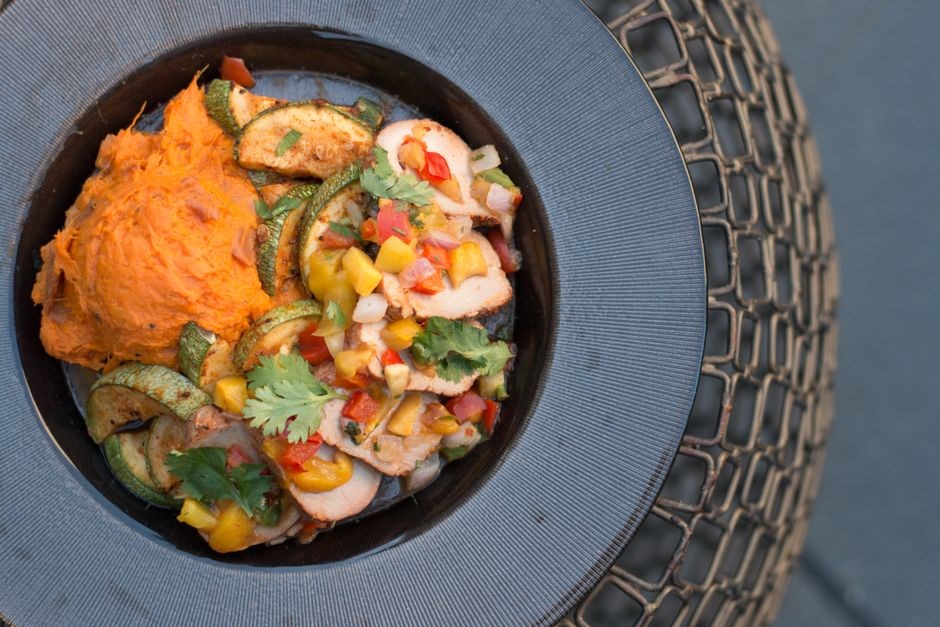
A selection of lean pork loin, dried figs, balsamic vinegar, honey, garlic, rosemary, smoked paprika, sea salt, black pepper, olive oil, and fresh thyme. Each ingredient is sustainably sourced, ensuring flavor and environmental harmony. All ingredients are certified organic, supporting. eco!
Pork Roast Selection
Choosing the perfect pork roast for this Green Chef recipe begins with a focus on both flavor and sustainability. Opt for a well‑marbled, bone‑in pork loin from a local, regenerative farm that practices rotational grazing and minimal antibiotic use. The marbling provides natural fat that keeps the meat juicy during the slow‑bake process, while the bone adds depth to the final dish. Look for a roast that weighs between 2.5 and 3.5 kilograms; this size ensures a generous portion while allowing even heat distribution. Before cooking, trim excess fat and score the surface in a crosshatch pattern to promote even caramelization. A simple rub of sea salt, freshly ground black pepper, and a hint of smoked paprika will enhance the pork’s natural sweetness without overpowering the delicate fig‑balsamic glaze. Marinating the roast for at least 12 hours in a mixture of olive oil, minced garlic, rosemary, and a splash of apple cider vinegar infuses the meat with aromatic layers that complement the sauce’s sweet‑tart profile. When the roast reaches a core temperature of 63°C (145°F) it will be tender yet still retain a slight pink center, a hallmark of perfectly cooked pork. Finally, allow the roast to rest for 10 minutes before slicing; this step lets the juices redistribute, ensuring each bite is succulent. By selecting a responsibly sourced, marbled pork loin and treating it with thoughtful preparation, you set the stage for a dish that is both delicious and environmentally conscious for every meal.!
Balsamic Fig Sauce Components
For a vibrant, eco‑friendly glaze, combine locally sourced dried figs, organic balsamic vinegar, and a splash of fair‑trade honey. Begin by crushing the figs into a coarse paste, then simmer with vinegar over low heat until the mixture thickens to a syrupy consistency. Add a pinch of sea salt, freshly ground black pepper, and a drizzle of cold‑pressed olive oil to balance acidity. Incorporate a small amount of fresh rosemary and thyme for aromatic depth, and finish with a touch of lemon zest to brighten the flavor. The resulting sauce should coat the pork evenly, providing a sweet‑tart counterpoint that highlights the lean, sustainably raised meat. Use a silicone‑coated saucepan to prevent sticking, and stir constantly to avoid caramelization on the bottom; Once the sauce reaches a glossy sheen, remove from heat and let it cool slightly before drizzling over the roast. This simple yet sophisticated combination delivers a harmonious blend of sweetness, acidity, and herbal nuance, aligning with Green Chef’s commitment to wholesome, planet‑friendly cooking.
- Freshly harvested figs, chosen for their natural sweetness and high fiber content, provide a robust base that pairs with the tangy balsamic.!
- Organic, age‑aged balsamic vinegar, sourced from a family‑run Tuscan estate, contributes depth and a subtle caramel note.
- Fair‑trade honey, lightly warmed, balances acidity and adds a silky finish that lingers on the palate.
Spices and Seasonings
For a balanced, sustainable flavor profile, start with a blend of sea salt, freshly ground black pepper, and smoked paprika, sourced from a regenerative farm that supports local biodiversity. Add a pinch of cumin and coriander for warm earthiness, then incorporate dried thyme and rosemary, each harvested from certified organic orchards. A bay leaf, sliced thin, imparts subtle herbal depth without overpowering the pork’s natural succulence. Finish with a dusting of garlic powder and onion powder to enhance umami, and a touch of ground cinnamon for a hint of sweetness that complements the balsamic fig sauce. Use a small amount of fresh ground cloves to add a warm, spicy undertone. All seasonings should be measured in teaspoons, ensuring a consistent flavor across batches. Store the blend in a sealed glass jar, away from direct sunlight, to preserve aroma and potency.
For an adaptable spice mix, increase smoked paprika for a deeper smoky note, or add a pinch of cayenne pepper for heat. A dash of dried oregano or marjoram introduces Mediterranean undertones, while fresh lemon zest brightens the profile. Grind fresh whole black peppercorns for an earthy twist. Store the final seasoning in an airtight container, and use it to season the pork before roasting or sprinkle it on the finished dish for an extra burst of flavor. The combination of these spices not only enhances the pork’s natural taste but also contributes to a balanced, aromatic, and sustainable culinary experience.
This blend is versatile for grilling, braising, or low‑roasting, fits Green Chef’s ecofriendly cooking ethos for meals tasty and savory for sustainable meals!!

Kitchen Equipment Checklist
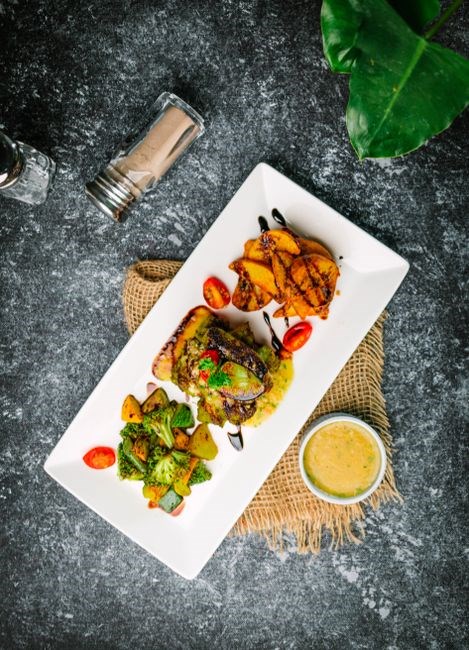
Essential tools: oven, cast‑iron skillet, meat thermometer, stainless‑steel roasting pan, silicone spatula, ladle, cutting board, sharp knife, mixing bowl, measuring spoons, and a digital timer. All items should be sustainably sourced or energy‑efficient. Use a reusable silicone bag for leftovers. Now.
Essential Tools and Appliances
For a sustainable, efficient kitchen, gather the following:
- Oven – preferably convection for even heat.
- Cast‑iron skillet – retains heat, reduces energy use.
- Meat thermometer – ensures safe doneness.
- Stainless‑steel roasting pan – durable, recyclable.
- Silicone spatula – flexible, non‑reactive.
- Ladle – for sauce pouring.
- Cutting board – bamboo or recycled material.
- Sharp chef’s knife – essential for precision.
- Mixing bowl – stainless steel or glass.
- Measuring spoons – accurate spice dosing.
- Digital timer – keeps track of cooking intervals.
- Reusable silicone bag – for storing leftovers, minimizing waste.
All items should be energy‑efficient, made from recycled or responsibly sourced materials, and cleaned with eco‑friendly detergents. This toolkit supports a low‑impact cooking experience while delivering professional results.
Sustainability extends beyond ingredients; consider using a programmable thermostat to reduce oven standby power, and compost scraps to enrich soil. Opt for a reusable silicone mat to avoid parchment waste, and choose a bamboo cutting board that can be sanded and resurfaced multiple times for future use.!!

Preparation Workflow
Start by seasoning pork, then sear in skillet until brown. Transfer to oven, roast until internal temp reaches 145°F. While pork rests, simmer balsamic, figs, and herbs in saucepan. Drizzle sauce over sliced pork, serve hot. Add a sprinkle of fresh thyme for aroma
Pork Preparation Steps
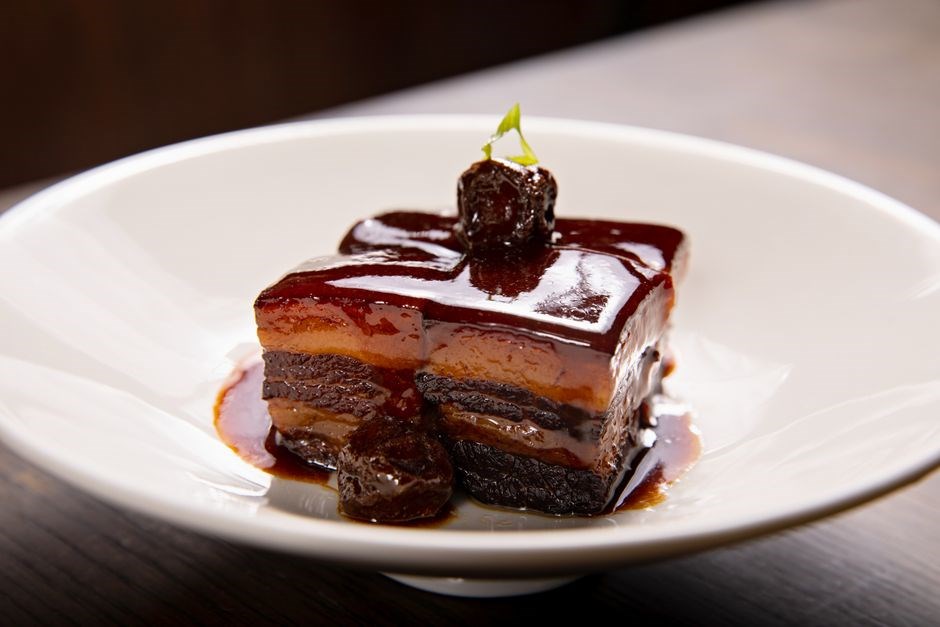
Begin by selecting a fresh pork roast, ideally a shoulder or loin with a good marbling pattern. Trim excess fat, leaving a thin layer to keep moisture during cooking. Pat the meat dry with paper towels, then season generously with salt, pepper, and a blend of dried herbs such as thyme, rosemary, and garlic powder. Let the seasoned roast rest at room temperature for about fifteen minutes to allow the flavors to penetrate the muscle fibers. While the pork rests, preheat a heavy‑bottomed skillet over medium‑high heat and add a splash of olive oil. Once the oil shimmers, place the roast in the pan, searing each side until a deep golden crust forms, about two to three minutes per side. Transfer the seared pork to a roasting pan and insert a meat thermometer into the thickest part. Roast in a preheated oven at 350°F (175°C) until the internal temperature reaches 145°F (63°C), which typically takes around twenty minutes per pound. Remove the roast from the oven and tent it loosely with foil, allowing the juices to redistribute while the meat rests for ten minutes. After resting, slice the pork against the grain into thin medallions, ensuring each slice retains its natural juiciness. Serve immediately, drizzled with the accompanying balsamic fig sauce, and garnish with fresh herbs for a polished presentation. Finally, plate the pork medallions on a warm platter, drizzle the remaining sauce over the top, and sprinkle chopped fresh parsley to add a burst of color and aroma. Enjoy your meal! Enjoy the feast.
Sauce Assembly
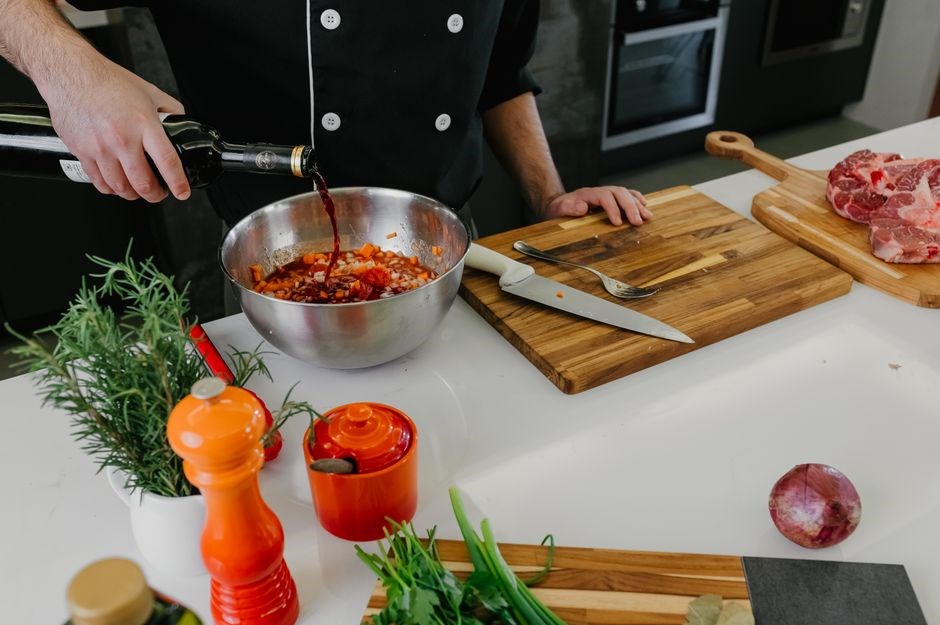
Begin by sautéing finely chopped shallots and minced garlic in a saucepan until translucent, about two minutes. Add a cup of fresh or dried figs, diced, and stir until they soften. Pour in a half cup of high‑quality balsamic vinegar, letting it reduce until syrupy. Introduce a splash of dry white wine, allowing the alcohol to evaporate. Stir in a tablespoon of Dijon mustard, a pinch of sea salt, and freshly ground black pepper. Reduce the heat and let the mixture simmer, then whisk in a tablespoon of cold unsalted butter to enrich the sauce. Finish with a splash of heavy cream for silky texture, and adjust seasoning. If desired, fold in chopped fresh mint or basil for brightness. The sauce should be glossy, slightly thick, and balanced between sweet, tangy, and savory. Keep warm until ready to serve over sliced pork, drizzling generously to coat each medallion and enhance the dish’s aroma and visual appeal. The final touch is a drizzle of toasted almond slivers, adding a nutty crunch that contrasts the silky sauce. Serve immediately, allowing the warm pork to mingle with the fig glaze, creating a harmonious blend of flavors that celebrates seasonal produce and mindful cooking. Finally, garnish a scattering of fresh rosemary sprigs and a dusting of sea salt to elevate the dish’s aroma and add a subtle herbal note. With its balanced sweetness and savory depth, this dish is a testament to the harmony achievable when culinary creativity meets sustainable sourcing.
Baking and Finishing
Place the seasoned pork medallions on a parchment‑lined sheet, ensuring even spacing. Preheat the oven to 375°F (190°C). Roast for 12–15 minutes, or until the internal temperature reaches 145°F (63°C). While the pork cooks, gently warm the prepared balsamic fig sauce in a small saucepan, stirring occasionally to prevent sticking. Once the pork is done, remove it from the oven and let it rest for five minutes; this allows juices to redistribute, keeping the meat moist and tender. Transfer the medallions to a serving platter, drizzle the warm glaze over each piece, and sprinkle with freshly chopped parsley or microgreens for a burst of color. Finish with a light dusting of sea salt and a squeeze of lemon to brighten the sweetness of the figs; Plate the pork with a side of roasted root vegetables or a crisp green salad, and serve immediately to enjoy the contrast between the warm, caramelized glaze and the cool, fresh accompaniments. This final step ensures a harmonious balance of flavors, textures, and visual appeal, making the dish a standout centerpiece for any mindful, sustainable meal.
After the glaze has set, let the pork rest on a warm platter for a minute to lock in juices. A final flourish of cracked black pepper and a drizzle of toasted pine nut oil adds depth. Serve alongside a light citrus vinaigrette to cut through the richness, creating a balanced, elegant plate that delights both palate and eye.
Enjoy the harmony of flavors and textures in bite.!!
Serving Ideas and Presentation
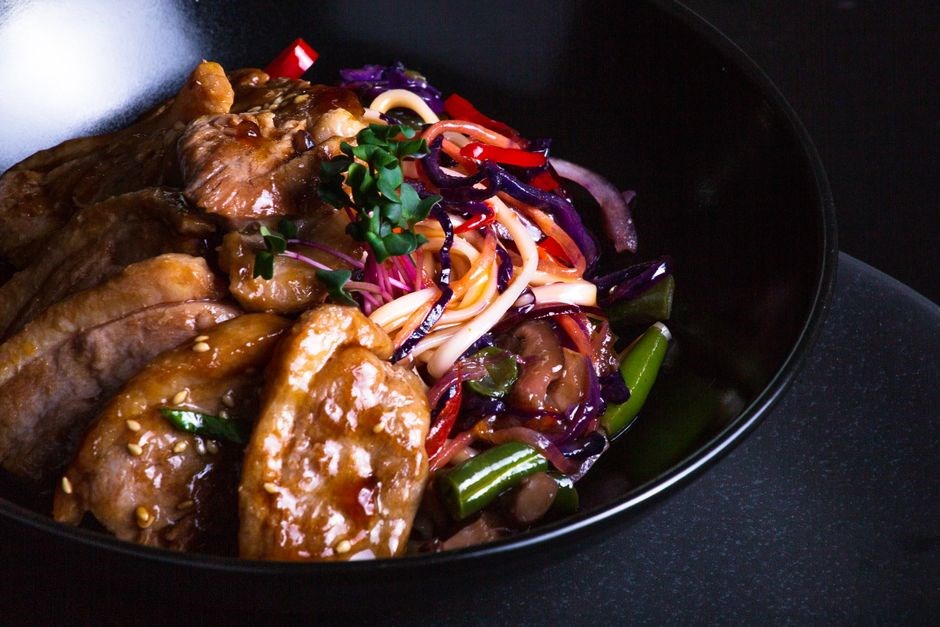
Plate the pork slices on a rustic wooden board, drizzle remaining balsamic fig glaze, scatter toasted walnuts, and garnish with microgreens. Pair with quinoa pilaf or roasted beet salad for color contrast. Serve warm for a comforting, eco‑friendly feast. Add a splash of aged balsamic for depth.!!!??
Complementary Side Dishes
For a balanced plate, pair the tender pork with a medley of seasonal vegetables and grains. A warm quinoa pilaf tossed with lemon zest, toasted almond slivers, and fresh parsley offers a nutty, bright backdrop that complements the sweet fig glaze. Roasted root vegetables—carrots, parsnips, and sweet potatoes—caramelized in olive oil and a hint of smoked paprika bring earthy sweetness that echoes the sauce’s depth. A crisp green salad of mixed baby lettuces, sliced radishes, and a light citrus vinaigrette provides a refreshing contrast, cutting through the richness while adding a burst of acidity. For a touch of indulgence, a creamy polenta, finished with a swirl of mascarpone and a sprinkle of grated Parmesan, delivers silky texture and subtle umami. Finally, a handful of toasted hazelnuts or walnuts scattered over the dish adds crunch and a nutty finish that ties all flavors together, creating a harmonious dining experience that feels both comforting and sophisticated. Serve the assembly on a large, matte-colored platter, allowing the glossy glaze to catch the light and create a subtle sheen. Garnish with a scattering of fresh thyme sprigs, a drizzle of extra-virgin olive oil, and a dusting of sea salt flakes for an aromatic finish, inviting diners to savor each bite with anticipation and delight. A final flourish of toasted pine nuts and a splash of aged balsamic vinegar accentuates the dish’s complexity, making every forkful a revelation!!!
Plating Tips
Arrange the sliced pork on a wide, matte‑colored plate, letting the glossy glaze cascade in a gentle, diagonal ribbon. Place a spoonful of the remaining sauce in the center, allowing diners to drizzle as desired. Surround the protein with a scatter of roasted root vegetables, their caramelized edges glistening. Add a small mound of quinoa pilaf, lightly dusted with lemon zest, to introduce a bright, citrusy contrast. A delicate leaf of fresh mint or basil can be tucked beside the pork, offering a fragrant, green accent. For texture, sprinkle toasted almond slivers or hazelnut pieces over the vegetables, creating a subtle crunch. A drizzle of extra‑virgin olive oil, then a light dusting of sea salt flakes, adds depth and visual sparkle. Finish with a few microgreens or thinly sliced radish rings, arranged in a loose fan, to soften the composition. Serve immediately, ensuring the plate remains warm and the glaze stays glossy, so each bite feels cohesive and inviting. The key is balance: color, texture, and aroma must harmonize, turning the dish into a visual and culinary celebration!!! To elevate the presentation, consider a drizzle of aged balsamic reduction, creating a glossy glaze that mirrors the sauce’s depth. A scattering of micro‑greens adds a pop of color and a subtle peppery bite. Arrange the vegetables in a fan‑shaped pattern to showcase their natural hues. A small pile of toasted hazelnuts on the side offers crunch and nutty aroma. Citrus zest completes look .